Pancreatic Neuropathy & Pain · TUM University Hospital · Munich
Where pancreatic disease meets the nervous system.
We investigate how nerves, cancer cells, stromal and immune cells communicate in pancreatic cancer and pancreatitis — from neural invasion and neuropathic pain to neuron–cancer synapses and therapeutic translation.
Our mission
Decoding the neural biology of pancreatic disease.
Our group combines pancreatic surgery, cancer biology, neuroscience and translational medicine to understand how the nervous system shapes disease progression, treatment resistance and pain — and to turn these mechanisms into therapeutic opportunities.
Research
From mechanisms to translation.
Five programmes, from the synapse between nerve and tumour to the therapeutic concept.
01
Neuron–Cancer Synapses
Why does pancreatic cancer form synapses?
ERC · SYNAPSE-ON-CANCER02
Neural Invasion & the Neural Niche
How do tumour cells travel along nerves?
03
Pancreatic Neuropathy & Pain
Where does pancreatic pain come from?
04
Neuro–Immune–Stromal Crosstalk
How do nerves, immune cells and stroma talk to each other?
05
Translational Models & Therapeutic Targeting
How does a mechanism become a therapy?
Else Kröner Clinician Scientist Professorship
Translational Pancreatic Surgery
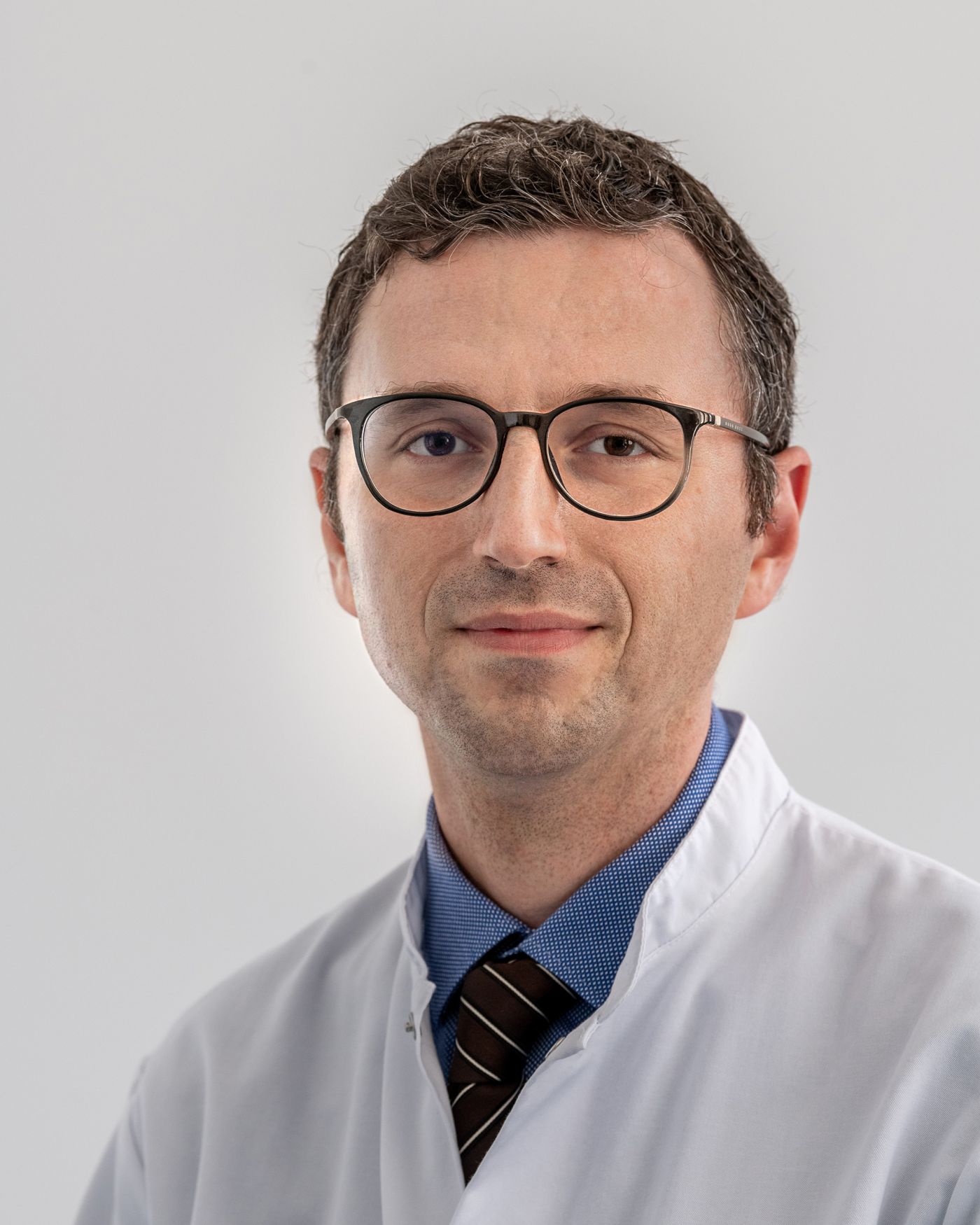
Endowed professorship at the Department of Surgery, TUM University Hospital — awarded to Prof. Dr. Dr. Ihsan Ekin Demir in 2020
The professorship funds our work on neural invasion in pancreatic cancer. It has allowed us to identify molecular pathways that let tumours grow along nerves — and to pursue the goal behind them: a drug that blocks the interaction between tumour and nerve cells, and with it improves prognosis. The Else Kröner-Fresenius-Stiftung created this funding line to give clinician scientists protected time for research alongside clinical work.
Paper of the Month · February 2026
The foundation selected our Cancer Cell paper on glutamatergic neuron–cancer pseudo-synapses as its Paper of the Month. Read more
Team
The people behind the science.
Clinicians, biologists and technical staff — 29 people at the Department of Surgery, TUM University Hospital.
Translation
From the operating room to the mechanism — and back.
Our identity is the bridge between clinical pancreatic surgery and mechanistic neuroscience.
- Patient
- Surgery
- Human tissue
- Experimental model
- Mechanism
- Therapeutic concept
We take our questions directly from human tissue — and return the answers to where they came from.
Funding
Our work is supported by


Logos are the property of the respective organisations and indicate funding of our work.
Join us
Build the next chapter of pancreatic cancer neuroscience with us.
Interested in cancer neuroscience, pancreatic disease or translational research? We welcome enquiries about doctoral and postdoctoral positions as well as collaborations.